The One Percent Rule is an economic principle for public art, stipulating that approximately 1% of the total budget for new construction, renovations, or extensions is allocated for artistic design. Sounds little? Yes but it works!
Now more private companies are also adopting the 1% rule. According to a 2020 report by the Swedish Arts Grants Committee (Konstnärsnämnden), the percentage of private companies leasing to the public sector and applying the one percent rule increased from 3% to 7% between 2013 and 2020. This represents more than a doubling in five years, suggesting that art is seen as a sound investment for improving environments.
Public Art: Part of a Greater Whole
Ultimately, the municipal board and council are responsible for allocating public funds for art. However, decisions on how these funds should be allocated and used are typically prepared by the relevant committee or administrative body.
A notable change in the Swedish Arts Grants Committee’s latest report is the increased responsibility of urban planning administrations for public art, rising from 5% to 21% between 2013 and 2018. This indicates a nationwide perspective on the design of shared environments, aligning with Sweden’s policy for a designed living environment, where art, cultural heritage, architecture, form, and design are considered essential components in shaping communal spaces.
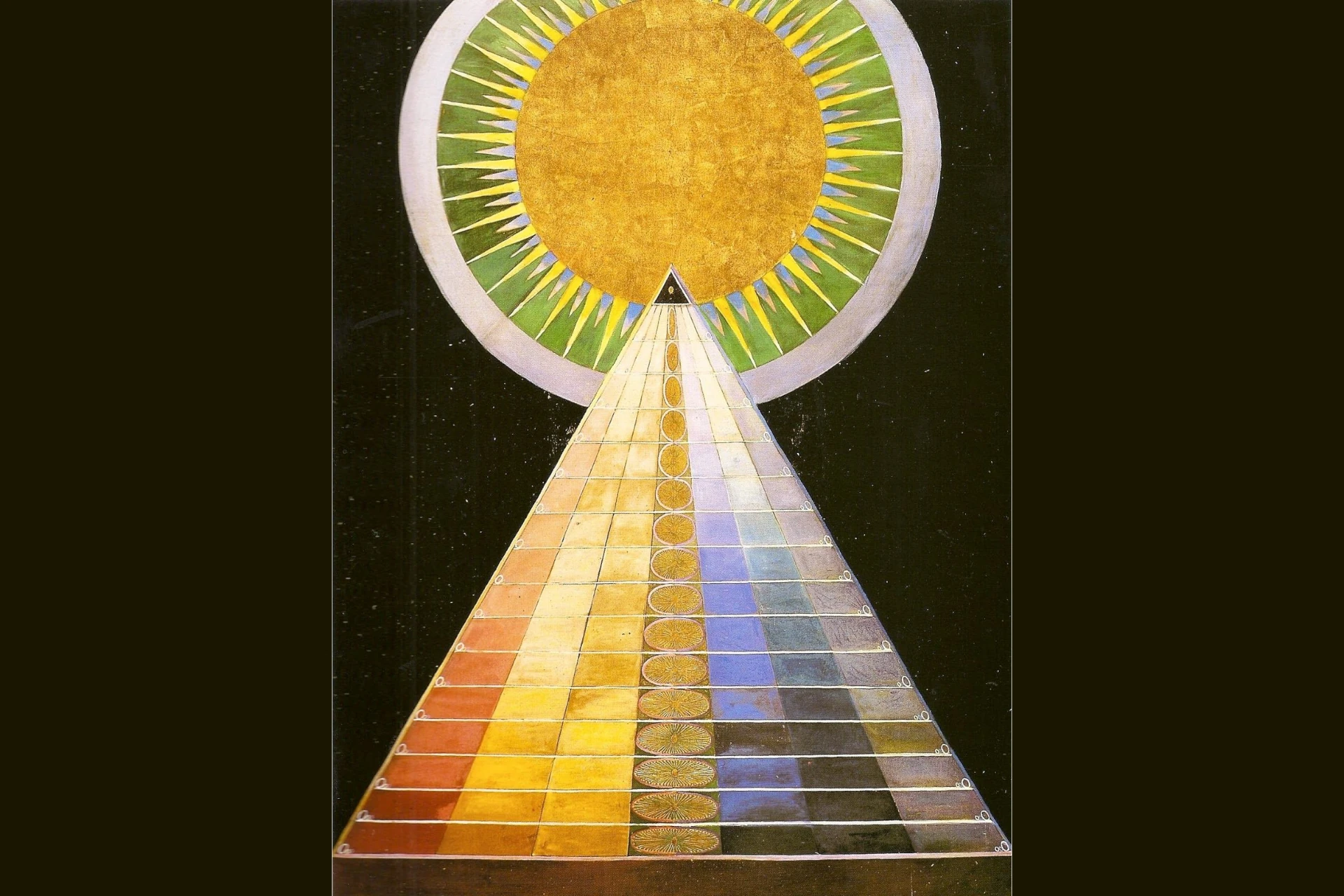
Sweden has long been one of the hidden gems in the field of investing in art differently. This is why here I include Hilma Af Klint’s “Untitled gold on canvas” from as early as 1915. She has long been a forgotten artist, until her art was discovered coincidentally in a barn in Sweden. Today she is considered the “mother” of modern “abstract” and “avant-garde” painting.